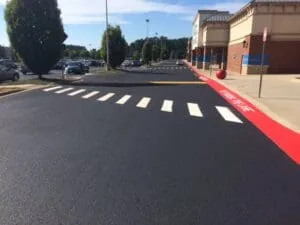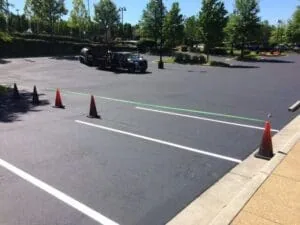
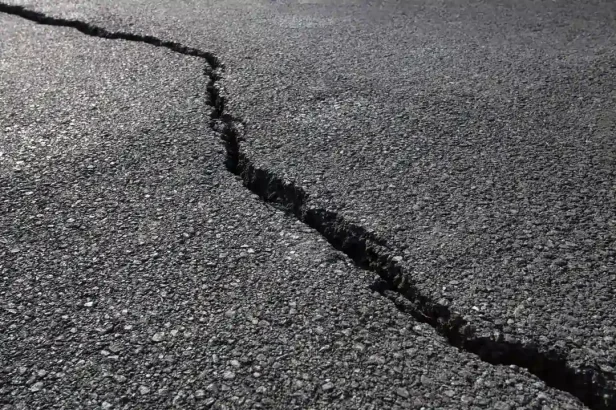
Asphalt parking lots typically show signs of wear after 5–7 years, such as cracks, surface damage, or potholes. Addressing these issues promptly is essential—unrepaired damage allows moisture to penetrate the base, accelerating deterioration, reducing the lot’s lifespan, and creating safety hazards for pedestrians and vehicles.
At Blackjack Paving, we specialize in helping property owners maximize the safety, durability, and longevity of their commercial parking lots and roadways.
How to Patch Asphalt the Right Way
Patching asphalt is more than filling a hole and moving on. For the repair to last, the damaged area needs to be cleaned, prepared, filled, compacted, and checked for stability. Whether you are dealing with potholes, cracks, low spots, or crumbling pavement edges, the basic asphalt patching process usually follows these steps.
1. Inspect the Damaged Area
Start by looking closely at the damaged pavement. Check the size, depth, and shape of the problem area, along with any nearby cracking or drainage issues. Surface-level damage may only need basic asphalt patching, while deeper potholes or unstable pavement may require full-depth repair. If the base underneath the asphalt is weak, simply filling the hole will likely lead to the same problem coming back.
2. Clean and Prepare the Surface
Before applying new asphalt, the repair area needs to be cleared of loose pavement, dirt, gravel, standing water, weeds, and debris. A clean surface helps the patch bond better with the existing pavement. For stronger repairs, damaged edges may also be cut back to create a cleaner, more stable shape instead of trying to patch against broken or crumbling asphalt.
3. Fill Cracks and Address Weak Spots
If there are cracks around the damaged area, they should be filled or sealed before the patch is completed. This helps prevent water from getting under the pavement and weakening the base. Larger or deeper damaged sections may need additional base repair before new asphalt is added. This step is especially important for asphalt surfaces that handle regular vehicle traffic, heavy trucks, or commercial use.
4. Apply the Asphalt Patch
Once the area is prepared, new asphalt patch material is placed into the damaged section. The material should be added evenly and slightly overfilled to allow for compaction. Depending on the repair, contractors may use hot mix asphalt, cold patch asphalt, infrared asphalt repair, or full-depth patching. The right method depends on the condition of the pavement, weather, traffic level, and how long the repair needs to last.
5. Compact the Patch
Compaction is one of the most important parts of asphalt patching. The patch needs to be pressed firmly into place so it bonds with the surrounding pavement and does not shift, sink, or break apart. Small repairs may be compacted with a hand tamper, while larger areas usually require professional compaction equipment. A properly compacted patch should sit level with the surrounding pavement and feel stable under traffic.
6. Check the Final Repair
After the patch is compacted, the repaired area should be checked for smoothness, drainage, edge stability, and overall appearance. The finished patch should not create a raised bump, low spot, or loose edge that could lead to future cracking. For parking lots, drive lanes, and commercial asphalt surfaces, a final inspection helps confirm that the pavement is safe and ready for use.
Understanding Asphalt Patching and Minor Repairs
For minor damage, several effective options can restore your asphalt without major disruption:
- Crack Filling: Seals cracks to prevent water and debris from reaching the base, protecting structural integrity.
- Sealcoating: Applies a protective overlay to address surface imperfections, shield against UV rays and weathering, and extend overall lifespan. We recommend sealcoating as a routine part of maintenance for every asphalt surface.
- Minor Patching: Ideal for small areas of damage.
When patching is needed, we strongly prefer hot asphalt patching over cold asphalt for superior durability and a permanent bond with existing pavement. Cold asphalt is convenient for quick DIY fixes but acts mainly as a temporary band-aid—it doesn’t integrate well and often fails prematurely.
Our team can inspect your lot and recommend the best combination of these solutions to suit your needs.
Advanced Repair Options for Serious Damage
For more significant issues like deep potholes, wide cracks, or drainage problems, consider these professional methods:
- Surface Patching Best for damage no deeper than 2 inches. This budget-friendly approach applies a new asphalt layer over the affected area. It’s a solid temporary fix for minor potholes, cracks, or surface-level drainage issues, but it’s not as long-lasting for deeper problems.
- Peel and Pave (Removal and Replacement) A more durable solution: We saw-cut clean edges around the damaged area, excavate down to the stable stone subbase, refill with fresh asphalt mix, and compact it smoothly. This method can extend your asphalt’s life significantly—often 10 times longer than surface patching.
- Full-Depth Replacement The most comprehensive option for severely compromised areas. We remove damaged asphalt and any weakened subbase, reinforce or rebuild the foundation, then install and compact new asphalt layers. This is ideal when the stone base can no longer adequately support the surface.
Repair vs. Replacement: Making the Right Choice
Sometimes, full replacement is more cost-effective and safer than repeated repairs. Evaluate these key factors:
- Age of Your Lot A well-installed and maintained asphalt parking lot typically lasts 15–30 years (often 20–25 years with proper care). If your lot is approaching or exceeding 20–25 years, replacement is usually the better long-term investment.
- Extent of Damage If more than 25–30% of the surface is affected, replacement often makes more sense financially and structurally. Resurfacing or targeted repairs may suffice for under 25% damage.
- Foundation Condition A weakened or failing subbase compromises safety for vehicles and pedestrians. Repairs on a poor foundation are only temporary—replacement is strongly recommended to avoid ongoing issues and potential accidents.
- Severity of Cracks Cracks wider than ¼ inch or several inches deep (especially if moisture has reached the subbase) will worsen quickly. Temporary fixes won’t hold—replacement provides a reliable, lasting solution.
Blackjack Paving has a proven track record of delivering high-quality work with genuine customer care. We’re here to help you extend your parking lot’s life and maintain a safe environment.
Contact Us for Professional Asphalt Patching, Repair, or Replacement Services
Don’t let small issues turn into major problems. Schedule a free consultation today—our experts will inspect your commercial parking lot or roadway, provide honest recommendations, and deliver durable, high-quality solutions tailored to your needs.
Give Blackjack Paving a call now for expert patching, repairs, sealcoating, or full resurfacing/replacement services. Protect your investment and ensure safety for years to come!